Optimal Timing for Landscape Irrigation
Understanding the optimal time for landscape irrigation installations ensures proper system performance and longevity. The timing depends on climate, plant growth cycles, and soil conditions, which influence installation efficiency and system effectiveness.
Installing irrigation systems in spring allows for adjustments before the peak growing season, promoting healthy plant growth.
Summer installations can be challenging due to higher temperatures, but with proper planning, they can be effective if soil is adequately prepared.
Fall is often ideal for installations, as cooler weather reduces stress on plants and soil conditions are favorable for digging and system setup.
Winter installations are generally not recommended due to frozen ground and reduced plant activity, which can complicate installation.
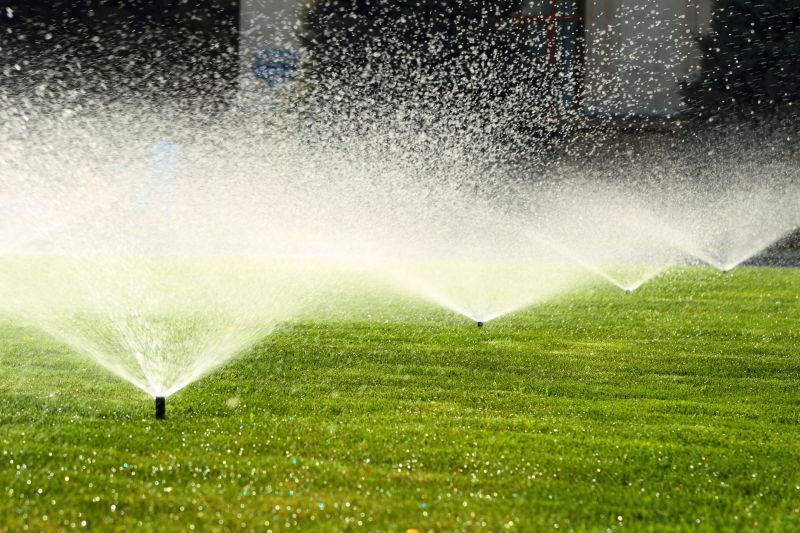
Installing in spring ensures the system is ready for the growing season.
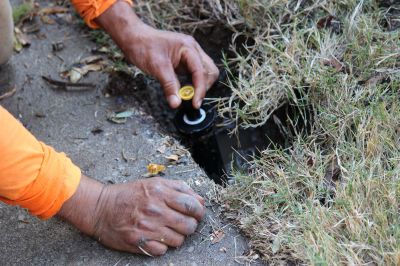
Summer installations require careful planning due to heat and drought conditions.
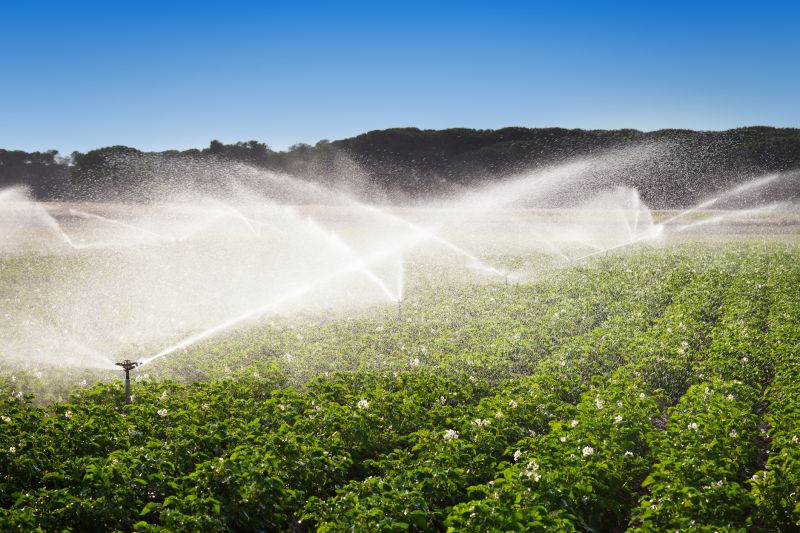
Fall offers optimal soil conditions for installation before winter.
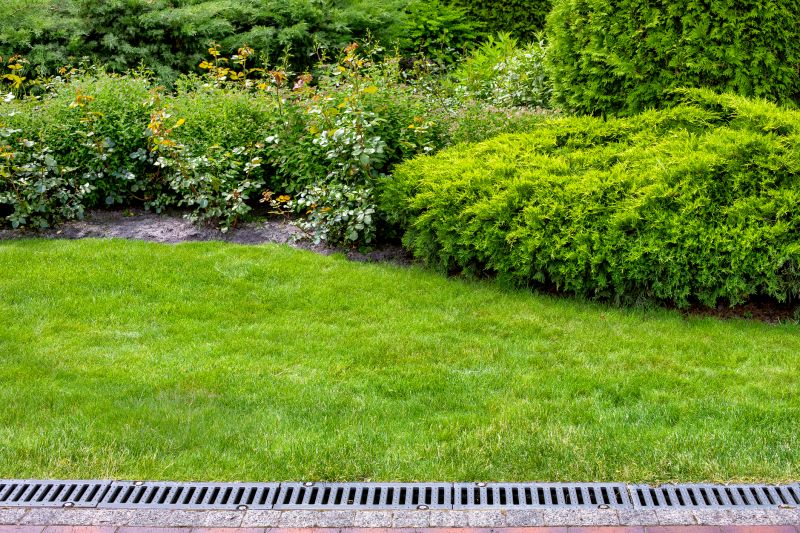
Ways to make Landscape Irrigation Installations work in tight or awkward layouts.
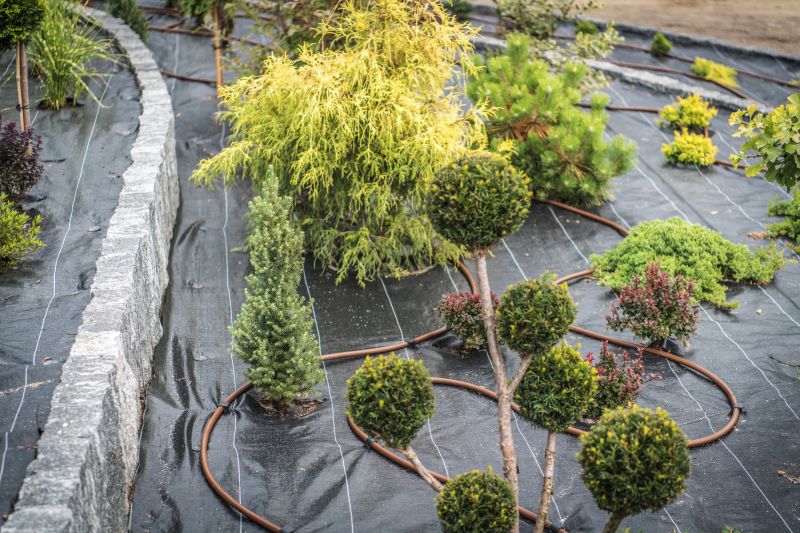
Popular materials for Landscape Irrigation Installations and why they hold up over time.
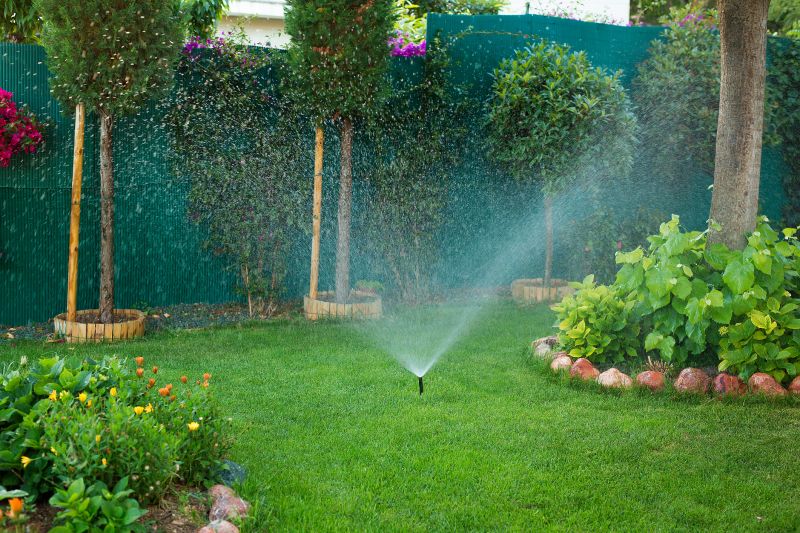
Simple add-ons that improve Landscape Irrigation Installations without blowing the budget.
Landscape irrigation installations are vital for maintaining healthy lawns and gardens, providing consistent water supply tailored to specific landscape needs. Proper installation involves planning for water efficiency, system durability, and adaptability to changing weather conditions. Statistics indicate that well-designed irrigation systems can reduce water usage by up to 30%, ensuring efficient resource management while supporting plant health.
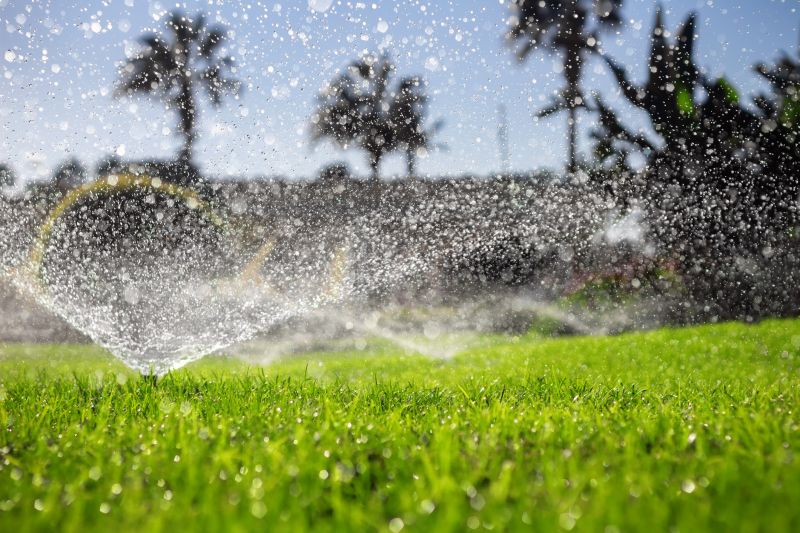
Includes sprinklers, valves, controllers, and piping for comprehensive coverage.
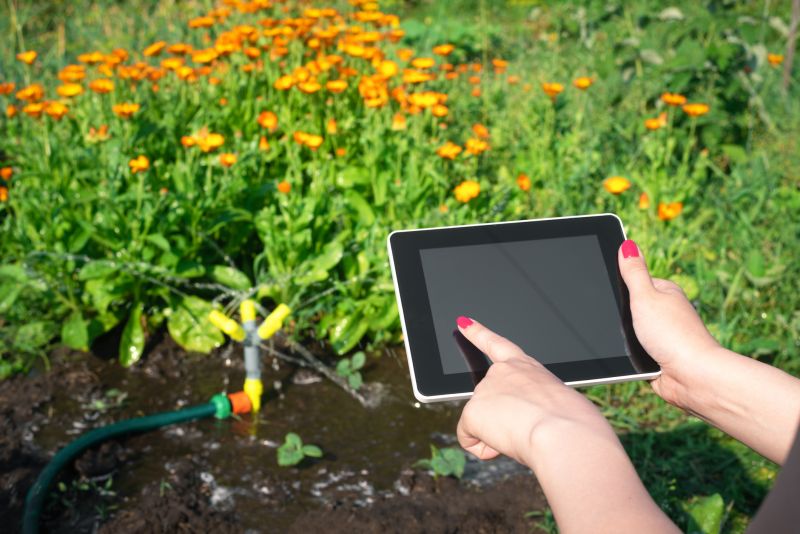
Advanced controllers optimize watering schedules based on weather data.
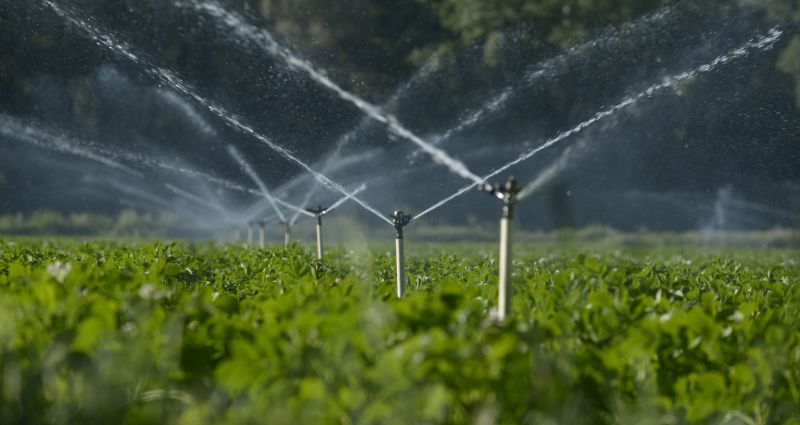
Designed to minimize water waste and ensure even coverage.
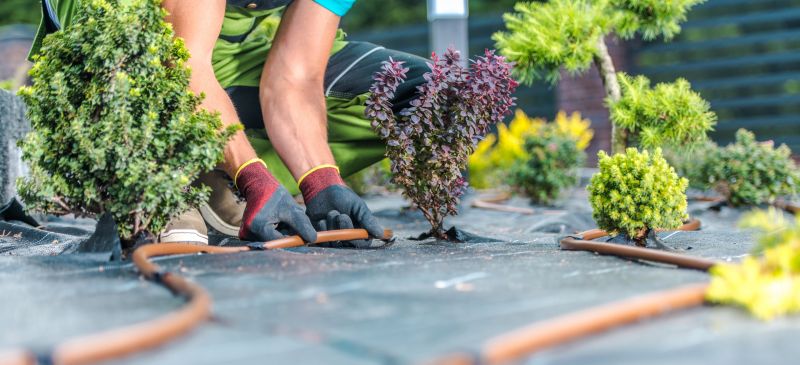
Proper soil conditioning improves system performance and longevity.
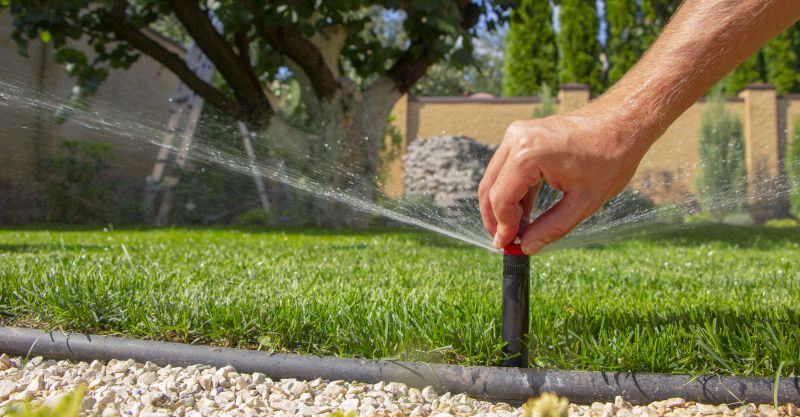
High-end options that actually feel worth it for Landscape Irrigation Installations.
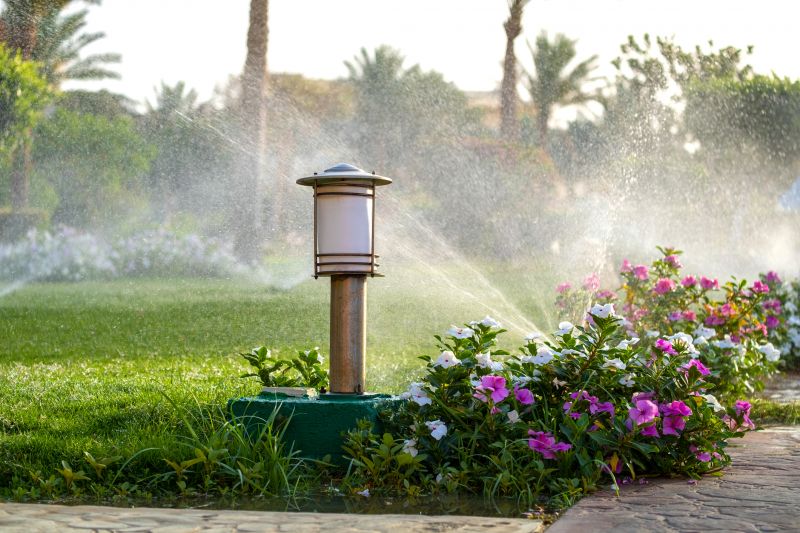
Finishes and colors that play nicely with Landscape Irrigation Installations.
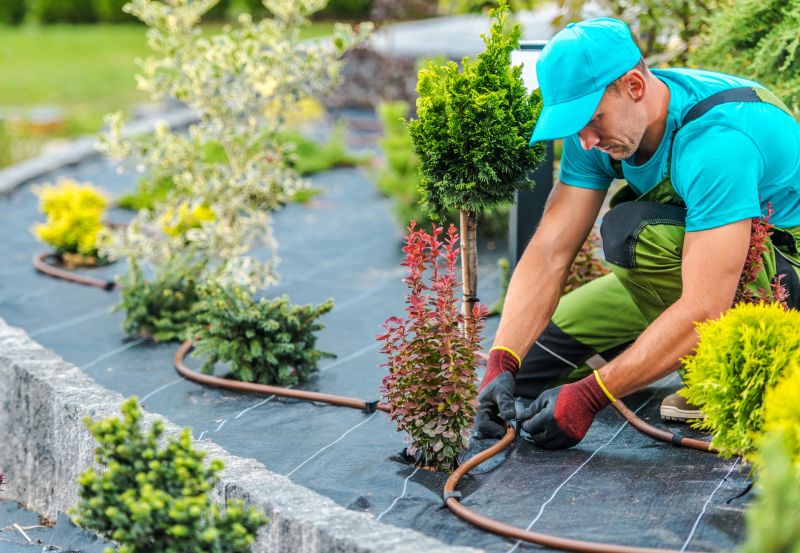
Little measurements that prevent headaches on Landscape Irrigation Installations day.
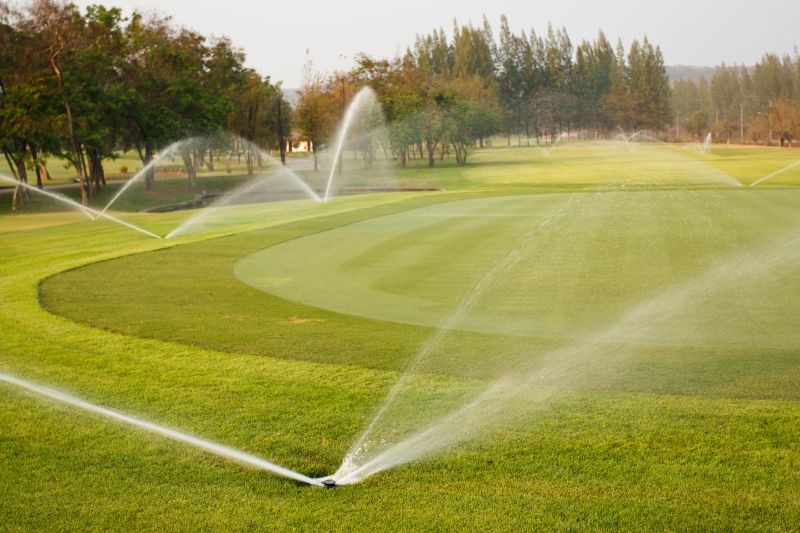
A 60-second routine that keeps Landscape Irrigation Installations looking new.
| Season | Ideal Conditions |
|---|---|
| Spring | Moderate temperatures and active plant growth |
| Summer | Availability of water and soil moisture, early morning or late evening |
| Fall | Cooler weather and stable soil conditions |
| Winter | Generally unsuitable due to frozen ground |
Timing landscape irrigation installation appropriately can enhance system performance and reduce maintenance needs. Considering local climate patterns and soil conditions helps determine the most suitable period for installation. Properly timed installations support efficient water use and promote healthy landscape development.
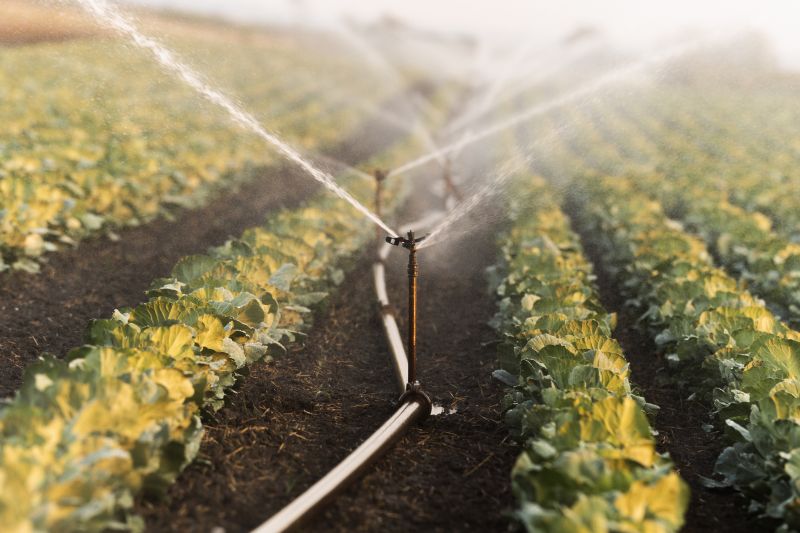
Ensures proper coverage and system functionality post-installation.
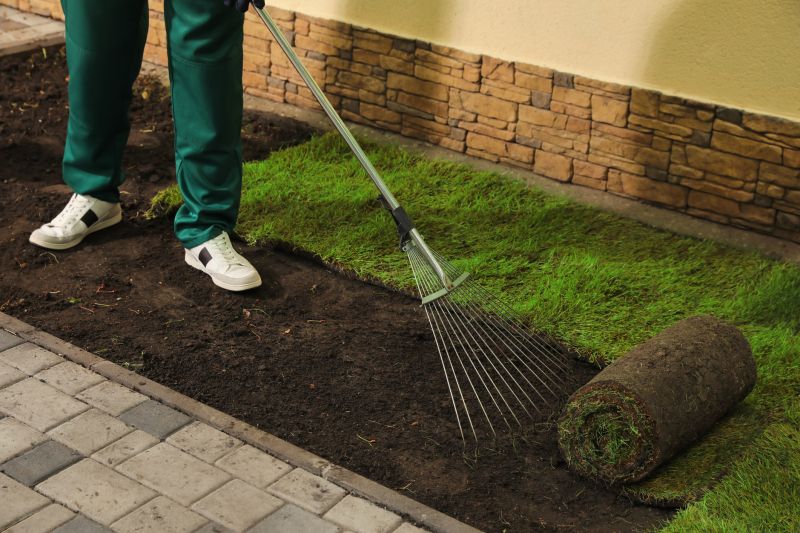
Includes grading and soil conditioning for optimal system performance.
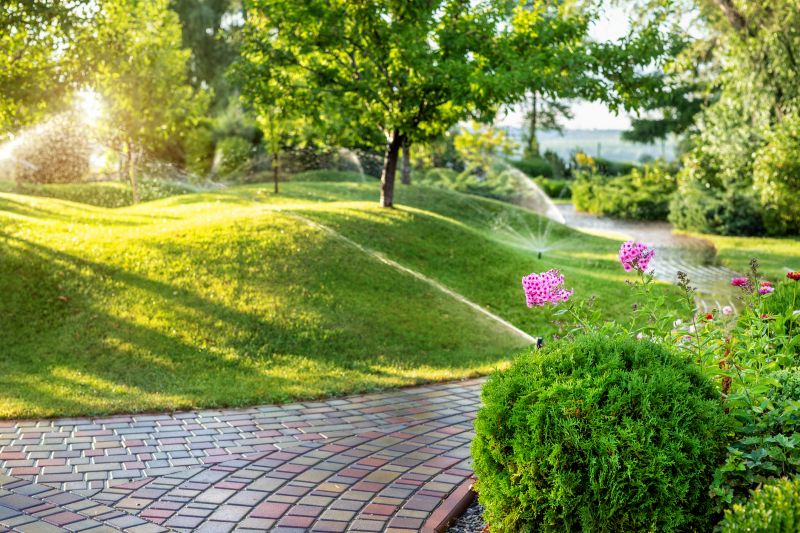
Shows the setup process of irrigation components.
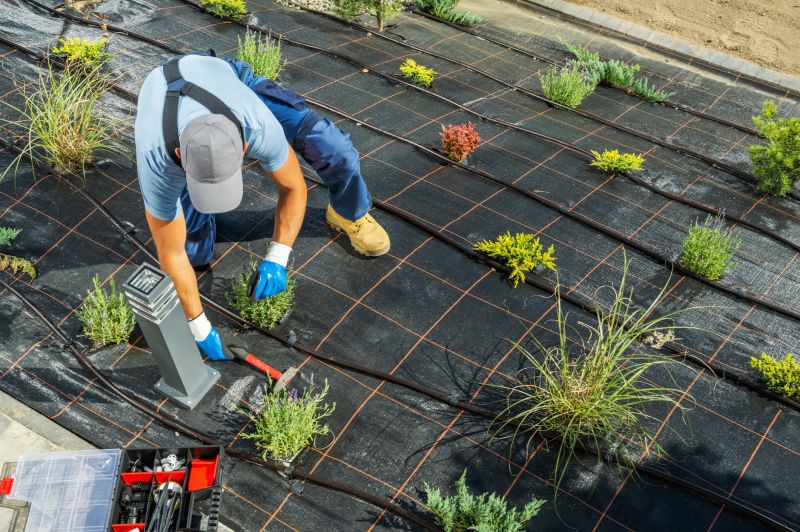
Final setup ready for operation and adjustments.
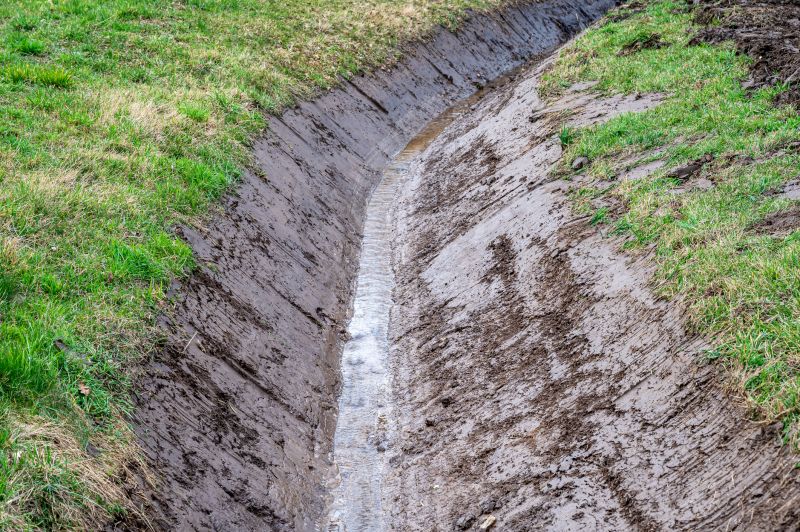
A frequent mistake in Landscape Irrigation Installations and how to dodge it.
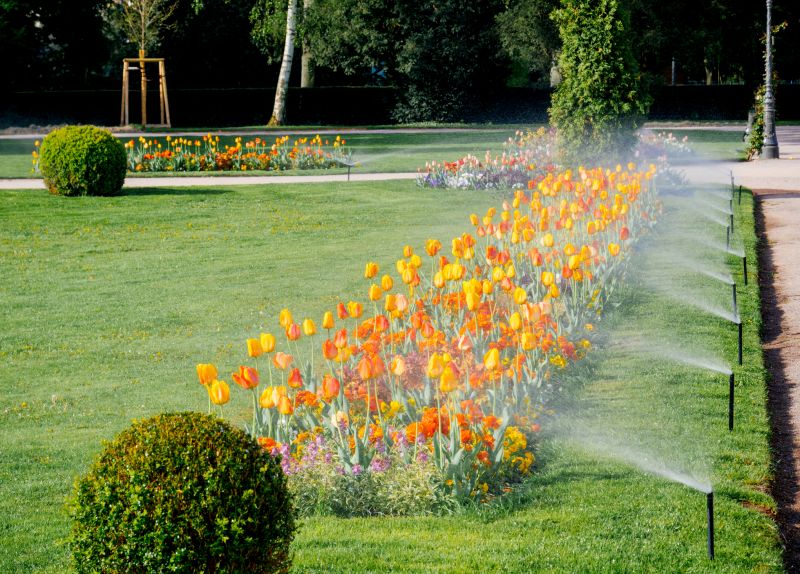
Small tweaks to make Landscape Irrigation Installations safer and easier to use.
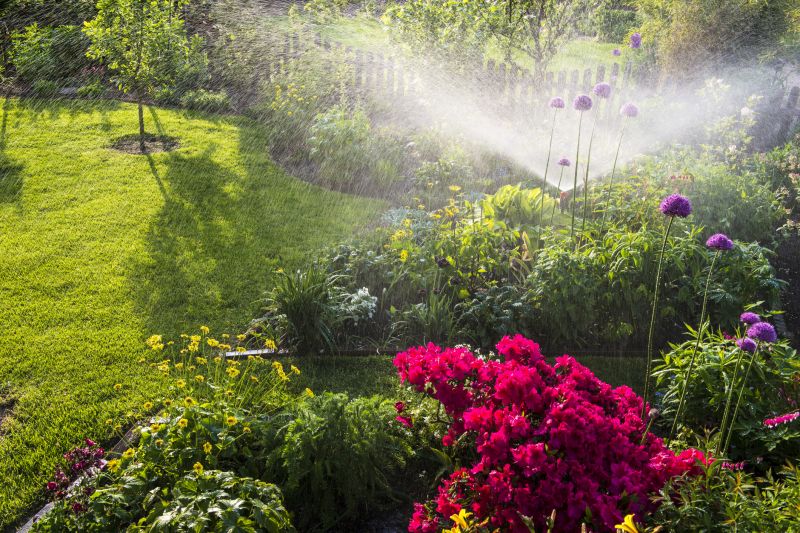
Lower-waste or water-saving choices for Landscape Irrigation Installations.
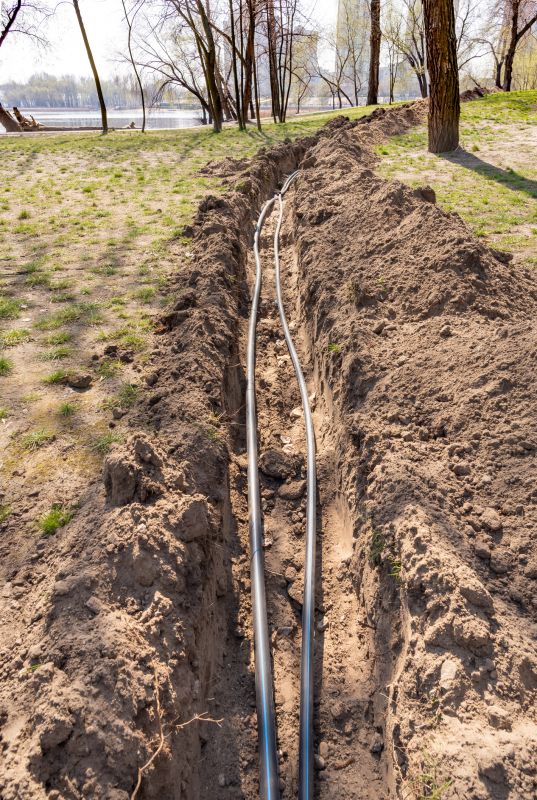
The short, realistic tool list for quality Landscape Irrigation Installations.
Interested parties can contact for more information about landscape irrigation installation options and scheduling. Proper timing and planning are essential for achieving the best results, ensuring landscapes remain healthy and vibrant throughout the seasons.